
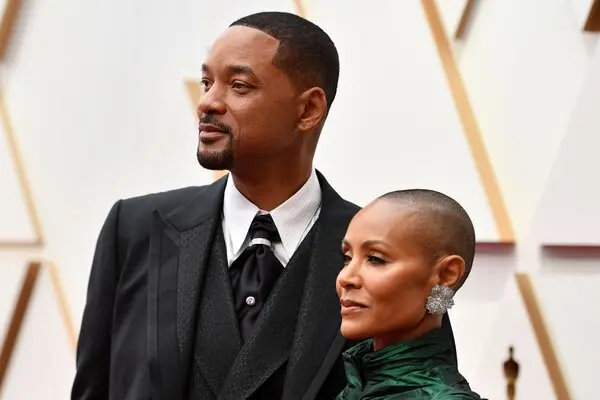
Will Smith wife Jada news has consistently challenged conventional relationship narratives through revelations about their unconventional arrangement. The disclosure that they’ve been separated since 2016 while maintaining public partnership reframes years of speculation about their marriage structure. Their situation illustrates how celebrity relationships operate under different rules than traditional frameworks, with audience interpretation becoming part of the relationship itself.
Confirmation Versus Speculation And Why Disclosure Timing Matters
Jada’s memoir release provided controlled platform for confirming long-standing rumors about their relationship status. The revelation about separation since 2016 came after years of various stories about their arrangement, allowing them to frame the narrative on their terms. This timing strategy reflects understanding that getting ahead of stories offers more control than reactive damage management.
The decision to confirm rather than continue deflecting represents calculated risk. Once information exists in rumor form, confirmation can actually reduce attention by removing mystery element. What I’ve learned is that ambiguity generates more sustained interest than resolution, even when resolution involves unconventional arrangements.
How Relationship Models Challenge Traditional Framework Expectations
Their acknowledgment of separation while not divorcing defies standard categories that audiences use to process relationship status. The ambiguity creates interpretive space where observers project their own values and assumptions. From a practical standpoint, this means their relationship functions as Rorschach test more than simple celebrity marriage story.
Reports indicate they’ve discussed attempting reconciliation, which adds another layer to an already complex public narrative. The notion of reconciling a separation that’s lasted nearly a decade while never divorcing requires rethinking what reconciliation means in practice. Look, the bottom line is that their framework operates outside conventional definitions, which makes traditional relationship advice largely irrelevant to their situation.
Public Performance And The Economics Of Perceived Authenticity
Their Oscar appearance and the subsequent incident became global talking point partly because it contradicted separation timeline that wasn’t yet public knowledge. The performance of partnership while actually separated raises questions about what constitutes authenticity in celebrity relationships. The data tells us audiences struggle with complexity—they prefer clear categories over nuanced arrangements.
The economic reality is that joint appearances serve both individual brands regardless of private relationship status. When separation doesn’t include divorce or public hostility, collaborative engagement can benefit both parties professionally. This pragmatic approach treats relationship as ongoing partnership even when romantic elements shift or conclude.
Why Disclosure Strategy Shapes Legacy More Than Facts
Jada’s choice to reveal relationship details through memoir rather than interview or statement reflects understanding of platform economics. Books allow extended context and nuance that shorter formats compress into sensational headlines. The packaging determines how information lands and whether audiences receive it as transparency or attention-seeking.
Here’s what actually works in these situations—framing disclosure as personal growth narrative rather than relationship failure. The memoir’s title and promotional framing emphasized her journey, positioning relationship revelations as component of larger story rather than primary focus. This approach redirects attention toward individual agency and away from partnership dysfunction.
Attention Cycle Management When Conventional Scripts Don’t Apply
Their relationship defies easy categorization, which means every public comment generates renewed analysis and debate. This creates perpetual relevance but also prevents narrative closure that might allow them to control their story more effectively. From a strategic standpoint, the attention becomes self-sustaining cycle where clarification generates more questions.
What I’ve seen play out is that unconventional arrangements require either complete privacy or complete transparency to manage effectively. The middle ground where partial information exists creates maximum speculation. Their choice to occupy that middle ground reflects either miscalculation of attention dynamics or acceptance that the speculation itself serves their interests. The reality is that their relationship has become ongoing cultural conversation where their input matters less than public interpretation, which represents both loss of control and source of sustained relevance that benefits their professional platforms.