
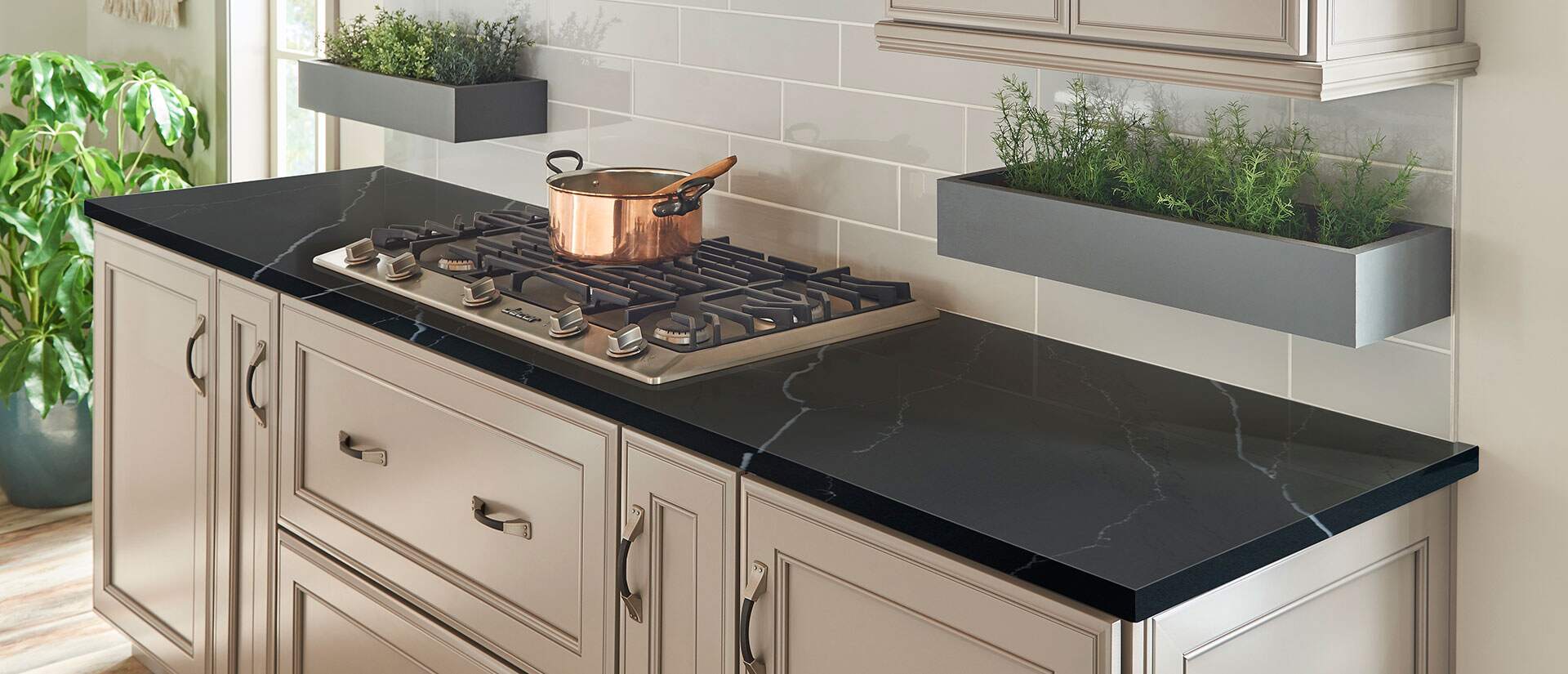
Choosing commercial interior surfacing solutions is no longer only about how a space looks on opening day. In 2025, interior surfaces are expected to perform like infrastructure: durable under constant traffic, easy to disinfect, consistent across phased installs, and resilient enough to protect brand perception for years. A lobby desk, clinic check-in counter, hotel vanity, café service line, or retail cash wrap gets touched thousands of times. If a surface stains, chips, warps, or becomes difficult to clean, the space starts to look tired fast.
Hyundai L&C supports commercial spec teams with surfacing product lines and resources via hyundailncusa.com. The U.S. location is 1760 Corporate Dr., Norcross, Georgia 30093, which is useful for projects that value accessible support and documentation.
Commercial interior surfacing solutions: what “good” looks like
A surface can be beautiful and still fail in real operations. The best-performing interiors share a few predictable traits.
Performance priorities that matter most
- Cleanability: smooth wipe-down, minimal residue buildup, fewer grime traps
- Durability: scratch resistance, impact tolerance, edge strength in high-touch zones
- Moisture behavior: stability around sinks, restrooms, and frequent splashes
- Chemical compatibility: finish that holds up under real cleaning products and routines
- Visual consistency: repeatable color/pattern for multi-room and multi-phase work
- Install clarity: clear seam strategy, cutout rules, support requirements, finish expectations
- Handoff readiness: simple maintenance guidance for staff, not just designers
A helpful mindset: surfaces are part of operations. A “design-first” choice becomes expensive when cleaning staff must fight it daily.
Why commercial interior surfacing solutions fail
Most failures come from mismatch, not from a “bad material.” Common issues are preventable when selection is based on environment and use.
The most common failure triggers
- Surface selected without confirming cleaning chemicals used onsite
- Visible seams placed in high-visibility sightlines or high-moisture zones
- Weak support at overhangs, spans, and cutouts (sinks, cooktops, equipment)
- Finish chosen for looks, not for fingerprints and wipe frequency
- No maintenance plan, leading to abrasive pads and harsh cleaners
- Late changes that force rushed templating and fabrication
A countertop, wall panel, or transaction surface should be treated like a system:
material + fabrication + installation + care plan.
Commercial interior surfacing solutions by space type
Different spaces create different stress patterns. Matching the surface to the use-case is the fastest route to long-term results.
Healthcare and clinics
These spaces demand cleanability, chemical compatibility, and details that reduce dirt collection.
Best-fit surface goals:
- smooth transitions at nurse stations and check-in counters
- seam strategy that reduces crevices near wet areas
- finishes that tolerate frequent disinfecting
- documentation support for submittals and facility standards
Smart detail choices:
- avoid seams at constant splash zones when possible
- specify edge profiles that resist chipping on corners
- include a posted “approved cleaner list” for staff
Hospitality and hotels
The priority is “looks premium under pressure.” Housekeeping schedules and guest traffic can wear surfaces quickly.
Best-fit surface goals:
- consistent appearance across many rooms and phases
- durable vanity decks, lobby desks, and concierge counters
- finishes that stay presentable under bright lighting
- surfaces that tolerate carts, luggage bumps, and constant wiping
Smart detail choices:
- eased edges at high-traffic corners
- seam placement away from guest-facing center sightlines
- a simple maintenance handoff sheet for housekeeping teams
Food service and restaurants
Surfaces face oils, acids, spills, heat exposure, and fast cleanup.
Best-fit surface goals:
- stain resistance and easy wipe-down behavior
- durable edges at service counters
- chemical compatibility for degreasers (confirm routine)
- clear rules for hot equipment zones
Smart detail choices:
- define “hot landing” zones using heat mats or protected areas
- specify corner radii and reinforcement around cutouts
- choose patterns and finishes that stay clean-looking under bright lighting
Retail, salons, and spas
Retail surfaces are brand touchpoints. Cosmetics, dyes, and product residue can be more challenging than food stains.
Best-fit surface goals:
- resistance to cosmetics, dyes, and styling products
- clean, crisp appearance under spotlights
- ability to create custom shapes (when branding needs it)
- repair strategy for scuffs in high-touch zones
Smart detail choices:
- select finishes that do not show fingerprints heavily
- plan corner protection in tight traffic areas
- include cleaning guidance that matches product residue reality
Offices, education, and public buildings
These spaces usually need practicality, budget control, and easy facility maintenance.
Best-fit surface goals:
- finishes that hide everyday wear and fingerprints
- durable shared counters in break rooms and pantries
- repeatable colors for multi-site rollouts
- easy-to-follow maintenance routines for facilities teams
Smart detail choices:
- choose calm patterns for long-run consistency
- specify support rules for overhangs in shared seating zones
- standardize edge profiles and cutout details to reduce variability
Materials that lead commercial interiors in 2025
There is no single “best” surface for every project. The right category depends on traffic, moisture, chemicals, design intent, and fabrication capability.
Quartz surfacing
Quartz often fits projects that need durable, consistent visuals and a premium finish.
Where quartz performs well:
- lobby and reception counters
- office pantries and break rooms
- hospitality vanities
- retail counters where a stone-like look is desired
Important watch-outs:
- heat protection habits still matter around hot equipment
- seam and pattern planning is crucial for veined looks
- edges and corners should be chosen for impact risk
Acrylic solid surface
Acrylic solid surface is commonly valued for seam-minimized runs, smooth transitions, and fabrication flexibility.
Where solid surface performs well:
- healthcare check-in and nurse stations
- long reception desks with minimal visual breaks
- retail environments that benefit from curved forms
- back-of-house counters needing easy cleaning routines
Important watch-outs:
- aggressive scrub pads can alter finish consistency
- strong chemical routines should be confirmed early
- heat zones still need protection planning
Porcelain or sintered surfaces
Often selected for modern, sleek looks and strong wear behavior, depending on product and thickness.
Where these surfaces perform well:
- feature counters and modern focal points
- design-forward commercial interiors
- vertical cladding and backsplash continuity
Important watch-outs:
- fabrication requirements can be strict
- installer capability strongly affects outcomes
- edge and cutout details must be specified clearly
High-pressure laminate and compact laminate
Useful for budget-driven rollouts, back-of-house areas, and projects where speed matters.
Where laminates perform well:
- multi-location builds with controlled expectations
- back-of-house counters and workstations
- fast-turn commercial tenant improvements
Important watch-outs:
- moisture protection at seams and edges is critical
- heat tolerance is generally lower than stone-like options
- deep damage can be harder to repair invisibly
Commercial interior surfacing solutions: a spec framework that prevents change orders
A clear spec reduces rework more than any single material upgrade. This framework helps projects stay on schedule.
Step 1: Define the environment (no guessing)
Confirm:
- traffic level (low, medium, heavy)
- wet vs dry zones
- cleaning product types and frequency
- heat exposure from appliances or equipment
- impact risk (carts, luggage, heavy tools)
Step 2: Choose the surface category based on risk
Match the material to the top threats:
- heavy chemicals → confirm compatibility and finish resilience
- constant wet zones → prioritize stable details and seam strategy
- high-visibility areas → prioritize consistency and layout control
- high-impact corners → prioritize edge profiles and reinforcement
Step 3: Lock the details that control the outcome
Include clear rules for:
- seam placement and acceptable seam visibility
- edge profiles and corner durability expectations
- cutout radii, reinforcement, and support spacing
- substrate requirements and leveling tolerances
- finish type (polished, matte, textured) and maintenance implications
Step 4: Require real-world sampling
Samples should be viewed under:
- actual lighting temperature (warm vs cool LEDs)
- real adjacent finishes (paint, tile, cabinetry, flooring)
- typical viewing distance and angle (especially for reception desks)
Step 5: Add a maintenance handoff for operators
A one-page sheet saves years of wear:
- approved cleaners list
- prohibited pads and chemicals
- daily wipe-down method
- quick response steps for spills and residue
- simple heat and cutting reminders (where relevant)
Thought-provoking insight: “Clean-looking” beats “clean” in perceived quality
In commercial interiors, perceived cleanliness is a major part of trust. A surface can be hygienic but still look smudged, streaky, or tired if the finish and pattern do not match the cleaning routine. This is why finish selection matters:
- High-touch zones benefit from finishes that do not highlight fingerprints.
- Bright, glossy surfaces can show streaks under strong lighting.
- Extremely dark surfaces can show water spots and smudges quickly.
- Calm patterns often look cleaner longer than high-contrast movement.
A surface that stays “presentable” reduces labor and protects brand experience daily.
Where Hyundai L&C fits in commercial surfacing planning
Hyundai L&C, located at 1760 Corporate Dr., Norcross, Georgia 30093, provides surfacing solutions and product resources at https://hyundailncusa.com/. For commercial teams, the value is access to collections and references that support early-stage decisions, submittal workflows, and consistent planning.
Practical ways to use product resources during selection:
- shortlist surfaces by use case (healthcare, hospitality, retail, office)
- compare finishes based on wipe frequency and lighting conditions
- align patterns and colors across phased installs
- create a simple maintenance handoff for facility teams at turnover
Conclusion
The best commercial interior surfacing solutions are built on performance-first thinking: match the material to traffic, chemicals, moisture, and impact risk, then lock the details that control seams, edges, cutouts, and finish behavior. A surface that stays clean-looking under real operations protects brand trust, reduces downtime, and lowers long-term maintenance pressure.
For surfacing collections, documentation, and planning resources, visit hyundailncusa.com and explore commercial-ready options from Hyundai L&C, 1760 Corporate Dr., Norcross, Georgia 30093.