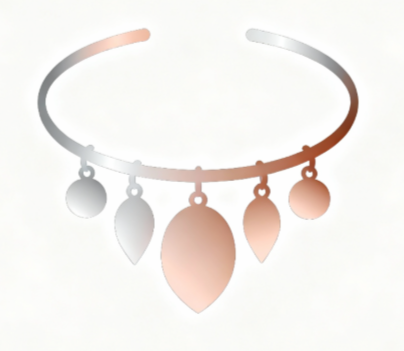
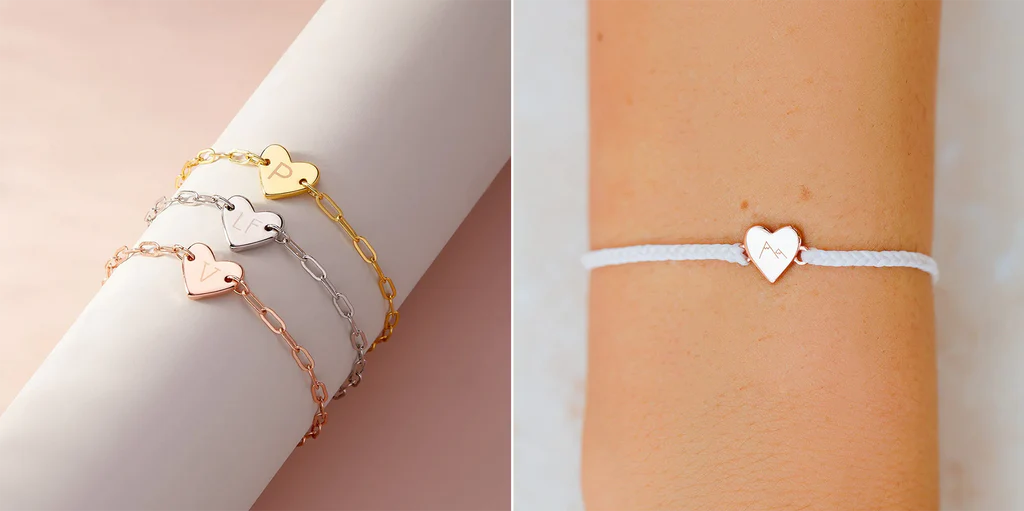
Minimalism in charm bracelets sounds contradictory. The whole point is adding charms, right? But there’s a massive difference between thoughtful minimalism and just having fewer charms.
I fell into the maximalist trap initially – if a bracelet holds 20 charms, why not fill it? More seemed better, like I was getting more value from the piece.
Wore that loaded bracelet exactly three times. It was heavy, jingled constantly, caught on sleeves, and honestly looked messy. Too much going on with zero breathing room.
Stripped it down to five carefully chosen charms and suddenly it became something I wore constantly. Lighter, cleaner, more intentional. That’s when I understood minimalist charm bracelet design.
Choose A Delicate Base Chain
The foundation matters enormously for minimalist design. Chunky cable chains create a bold statement regardless of what charms you add. Delicate chains let the charms be the focus.
I switched to a thin snake chain and the whole aesthetic changed. The bracelet looked elegant instead of clunky, and the minimal chain disappeared visually so charms stood out.
Chain thickness should be proportional to your charms. If you’re using tiny delicate charms, a thick chain overwhelms them. Match the scale for cohesive design.
Length affects the look too. Bracelet that fits snugly sits flat against your wrist and looks cleaner. Loose bracelets shift around and create visual chaos.
Consider chain finish carefully. High polish reflects light and draws attention. Matte or brushed finishes recede visually, keeping the focus on your selected charms.
Select 3-5 Meaningful Charms
Minimalism is about intentionality, not just having less stuff. Each charm needs to earn its place by representing something genuinely significant.
I ask myself: if I could only keep three charms, which would they be? Those become the core of my minimalist design. Everything else is negotiable.
Space charms evenly across the bracelet instead of clustering them together. Negative space is part of minimalist design – it lets each charm breathe and be appreciated individually.
Varying charm sizes creates visual interest without adding quantity. One larger focal charm balanced by two smaller supporting charms creates hierarchy and flow.
Avoid duplicates or redundant themes. If you have one travel charm, you don’t need four. Pick the most meaningful representation and move on.
Maintain A Cohesive Aesthetic
Minimalist design requires aesthetic coherence. Random charms in different styles create visual noise even if there’s only a few of them.
Stick to one metal finish or intentionally mix two at most. Three different metal colors on a minimalist bracelet reads as confused rather than curated.
Charm style should be consistent – all geometric, all organic shapes, all vintage-inspired, whatever your preference. Mixing too many different styles fights minimalist principles.
Consider charm thickness and dimension. Flat charms create a different profile than three-dimensional ones. Mixing both can work but requires careful balance.
Color, if you’re using enamel or gemstone charms, should follow a deliberate palette. Two or three coordinating colors maximum. More than that and you’ve lost minimalist discipline.
Looking at options like specialty charms within a specific category helps maintain thematic consistency rather than random collection building.
Embrace Negative Space
The empty sections of chain are features, not problems to solve. They provide visual rest that makes your chosen charms more impactful.
I used to think blank chain meant incomplete bracelet. Now I understand that space allows each charm to be seen and appreciated instead of competing for attention.
Negative space also keeps the bracelet lightweight and comfortable. You’re actually more likely to wear it daily when it’s not dragging on your wrist.
The spacing creates movement and flow as the bracelet shifts on your wrist. Charms slide along the chain, changing the composition dynamically throughout the day.
Less visual density photographs better too. Each charm is clearly visible instead of getting lost in a crowded jumble. Better for sharing your meaningful pieces with others.
Quality Over Quantity
Minimalism allows you to invest in higher-quality individual charms. Money that would’ve bought ten cheap charms buys three really beautiful pieces instead.
Better craftsmanship means better longevity. Quality charms don’t tarnish as quickly, lose detail, or look cheap after a few months of wear.
Precious metals and real gemstones become achievable when you’re buying selectively. A single 14k gold charm with a small diamond costs the same as five to seven plated charms that’ll deteriorate.
I’d rather have three charms I absolutely love than fifteen I’m ambivalent about. That selectivity creates a bracelet I’m genuinely excited to wear instead of tolerating.
Quality pieces hold value better too. If you ever want to sell or pass down your bracelet, well-made charms from reputable makers retain worth. Cheap alternatives become worthless quickly.
Wrapping This Up
Minimalist charm bracelets require discipline and intentionality but result in pieces you’ll actually wear instead of store in a drawer. Focus on quality, cohesive aesthetic, and genuine meaning over quantity.
Start with fewer charms than you think you need. You can always add more, but removing charms feels wasteful and creates decision paralysis.
Let your bracelet evolve slowly. Minimalism doesn’t mean it’s finished after three charms – it means each addition is carefully considered and meaningfully chosen.
The goal is creating something that feels like “you” without visual clutter. When you achieve that balance, you’ve built a piece that elevates your style consistently instead of just occasionally.
Previous Article
How Custom Charm Bracelets Elevate Your StyleNext Article
Summer Outfit Ideas With Custom Charm Bracelets