
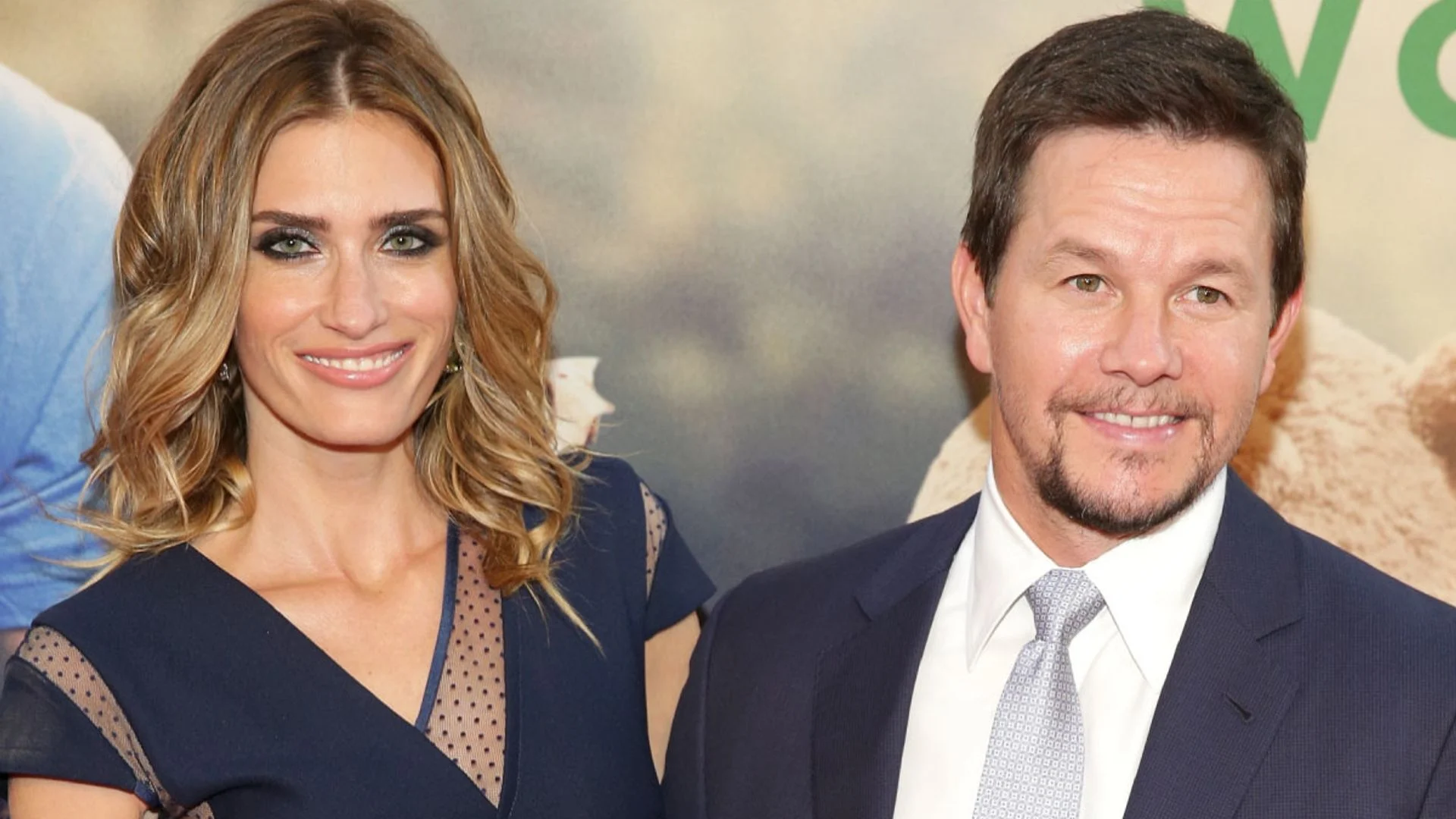
Mark Wahlberg and Rhea Durham celebrated over a decade and a half of marriage recently, and their relationship continues to draw attention as a model of Hollywood longevity in an industry known for high-profile splits. The couple married after meeting two decades ago, and they’ve since built a family of four children while navigating major career shifts and geographic relocations. What makes their story relevant isn’t just the milestone—it’s how they’ve structured their partnership around deliberate choices that prioritize family infrastructure over industry expectations.
The data point here isn’t the anniversary itself. It’s the pattern underneath: how they’ve consistently opted out of typical celebrity relationship cycles, and what that reveals about sustainable partnerships in high-pressure environments.
The Pressure Of Visibility And How They Calibrate Exposure
Wahlberg and Durham don’t operate like most celebrity couples when it comes to public positioning. They share milestone moments—anniversaries, birthdays, family celebrations—but they don’t construct content around their relationship as a standalone brand. That’s a conscious choice in an environment where relationship visibility often becomes a revenue stream.
The reality is that overexposure creates expectation debt. Every shared detail becomes a baseline for future content, and audiences begin to expect escalating levels of access. Wahlberg and Durham have avoided that trap by keeping their public-facing moments selective and genuinely celebratory rather than performative.
When Durham posted romantic photos marking their anniversary, the framing was personal, not strategic. The content worked because it felt like a real moment being shared, not a manufactured touchpoint designed to sustain engagement. From a reputational standpoint, that authenticity insulates them from the credibility erosion that comes with overproduced relationship content.
Geographic Strategy And The Risk Of Staying In Traditional Markets
Here’s what actually matters about their decision to relocate from Los Angeles to Las Vegas: it represented a complete recalibration of priorities. They didn’t leave LA because the market shifted—they left because the environment no longer aligned with how they wanted to raise their four children. That’s a high-stakes decision when your industry is concentrated in the market you’re exiting.
Look, the bottom line is that geographic decisions are resource allocation decisions. Staying in LA offered proximity to opportunities, industry relationships, and infrastructure that supports entertainment careers. Leaving meant accepting potential friction in exchange for family environment and lifestyle fit.
What I’ve learned from watching these moves is that they work when the economic foundation is already secure. Wahlberg’s career diversification—production, business ventures, established franchise roles—created enough stability to absorb the geographic shift. Without that foundation, the move would’ve introduced unnecessary career risk.
Partnership Longevity And The Foundations That Actually Scale
The couple has been together since they met over two decades ago, and they married after eight years of dating. That timeline reveals something important: they didn’t rush formalization, and they built a relationship structure before adding public and legal layers.
From a practical standpoint, long courtship periods reduce the risk of misaligned expectations. They had time to test compatibility across different life stages and career phases before committing to marriage and children. That’s not romantic framing—it’s just good risk management.
Their four children range in age from mid-teens to early twenties, with their oldest currently attending university. That’s a full parenting lifecycle, from early childhood through college transitions, and they’ve navigated it without public turbulence or separation rumors. The stability isn’t accidental—it’s the output of deliberate structural choices made consistently over time.
Narrative Control And How They Manage Public Interpretation
What’s clear from their approach is that they don’t feed speculation cycles. When Wahlberg shares content about Durham, it’s direct and affectionate without inviting deeper analysis. When Durham posts about their relationship, the framing is celebratory and closed-loop—it doesn’t create openings for follow-up questions or extended coverage.
The data tells us that relationship content generates highest engagement when it includes ambiguity or tension. They’ve systematically avoided that dynamic by making their stability the story, not the question. That’s a harder narrative to sustain from a media perspective, but it’s also harder to destabilize.
I’ve seen this play out in business partnerships and public-facing ventures. When you eliminate the ambiguity, you lose some of the attention velocity, but you gain control over the narrative arc. Wahlberg and Durham have clearly prioritized the latter, and the longevity of their partnership suggests that trade-off has worked.
The Economics Of Relationship Milestones And Why They Still Matter
Anniversary posts and milestone celebrations might seem like surface-level content, but they serve a functional purpose in maintaining public relevance without requiring ongoing narrative development. Each anniversary resets the story and provides a natural content hook without demanding new details or developments.
From a market perspective, these moments keep the relationship in rotation without exhausting the narrative. Fans and media get an update, the couple controls the framing, and there’s no pressure to manufacture drama or provide deeper access. It’s efficient reputation maintenance with minimal downside risk.
What I’ve learned is that sustainable celebrity relationships treat public visibility as a managed resource, not an infinite supply. Wahlberg and Durham share enough to remain relevant and relatable, but not so much that audiences develop expectation debt or begin to demand escalating levels of intimacy. That balance is harder to achieve than it looks, and the longevity of their partnership demonstrates they’ve calibrated it correctly.

Previous Article
Jason Statham wife Rosie Huntington newsNext Article
Vin Diesel wife news